
Optimizing Breakbulk Operations at Middle East Ports
Breakbulk cargo – oversized, non-containerized freight such as project equipment, steel structures, and heavy machinery – plays a critical role in Middle Eastern trade. Ports in Iran, the UAE, and Oman serve as key gateways for this cargo, supporting major infrastructure and energy projects across the region. However, handling breakbulk in these ports presents unique operational challenges. Shipping agents, charterers, shipowners, logistics coordinators, and terminal operators must contend with complex loading protocols, strict safety standards, harsh weather, anchorage limitations, intricate customs rules, and diverse port regulations.
This article provides an in-depth look at how to optimize breakbulk operations at Middle East ports – especially in Iran, the UAE, and Oman – by refining procedures, enhancing safety, mitigating environmental constraints, and implementing advanced strategies to boost efficiency, cut costs, protect cargo, and improve stakeholder communication.
Operational Procedures and Loading/Unloading Protocols
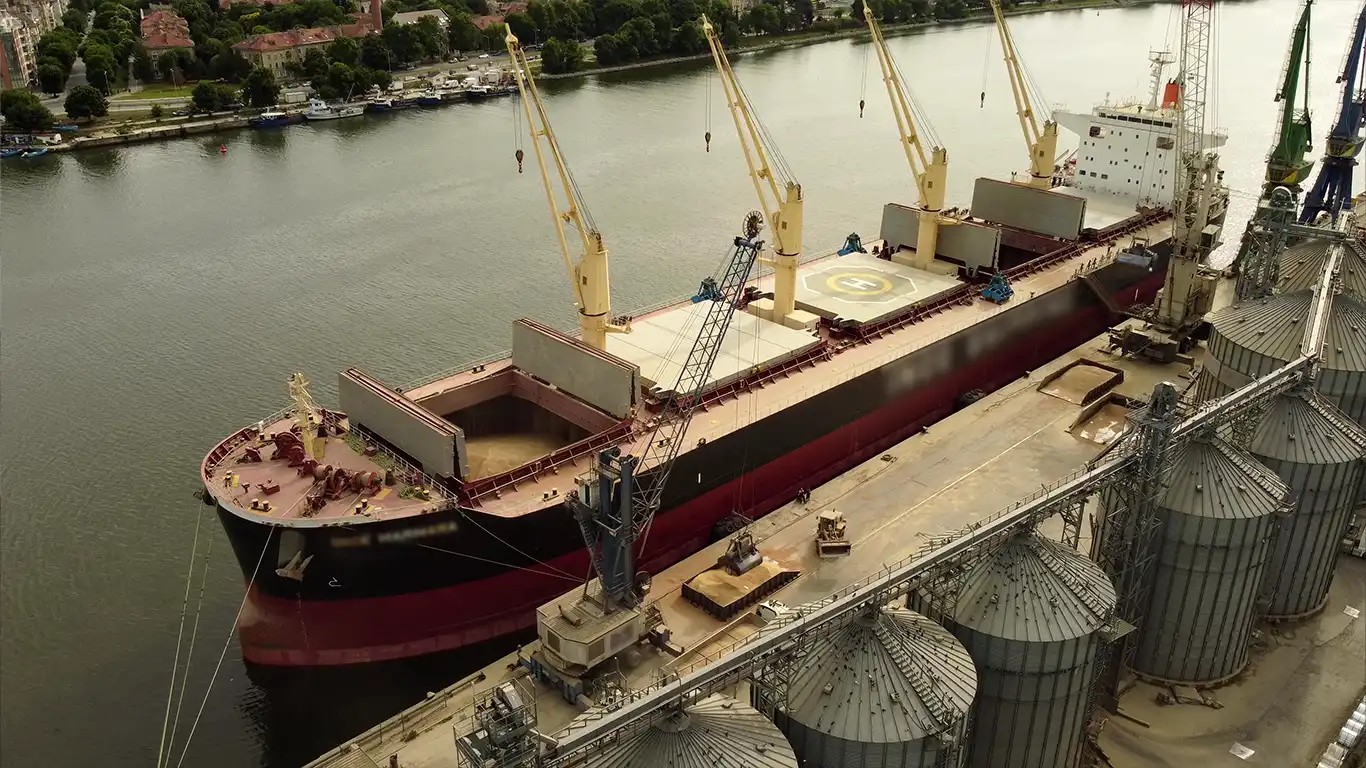
Efficient breakbulk handling in Middle Eastern ports starts with well-defined operational procedures. Unlike container cargo, breakbulk items are handled individually, often lifted on and off ships piece by piece using cranes or the ship’s gear.
Each Middle East port has its own protocols to manage this process safely and swiftly. For example, at major UAE hubs like Jebel Ali Port in Dubai, breakbulk operations follow a strict sequence – including pre-arrival cargo declarations, classification and documentation checks, on-dock inspections, and customs clearance – before any lifting begins.
This standardized workflow ensures all requirements are met upfront, reducing delays during the actual loading or unloading phase. Close coordination between the vessel crew, terminal operators, shipping agents, and customs officials is maintained at every step so that once a ship is alongside, the discharge or loading can proceed without bureaucratic holdups.
Pre-shipment planning is especially critical for breakbulk. Well before a vessel arrives in port, detailed assessments are conducted to determine each piece’s weight, dimensions, and center of gravity, as well as the appropriate lifting gear and handling method.
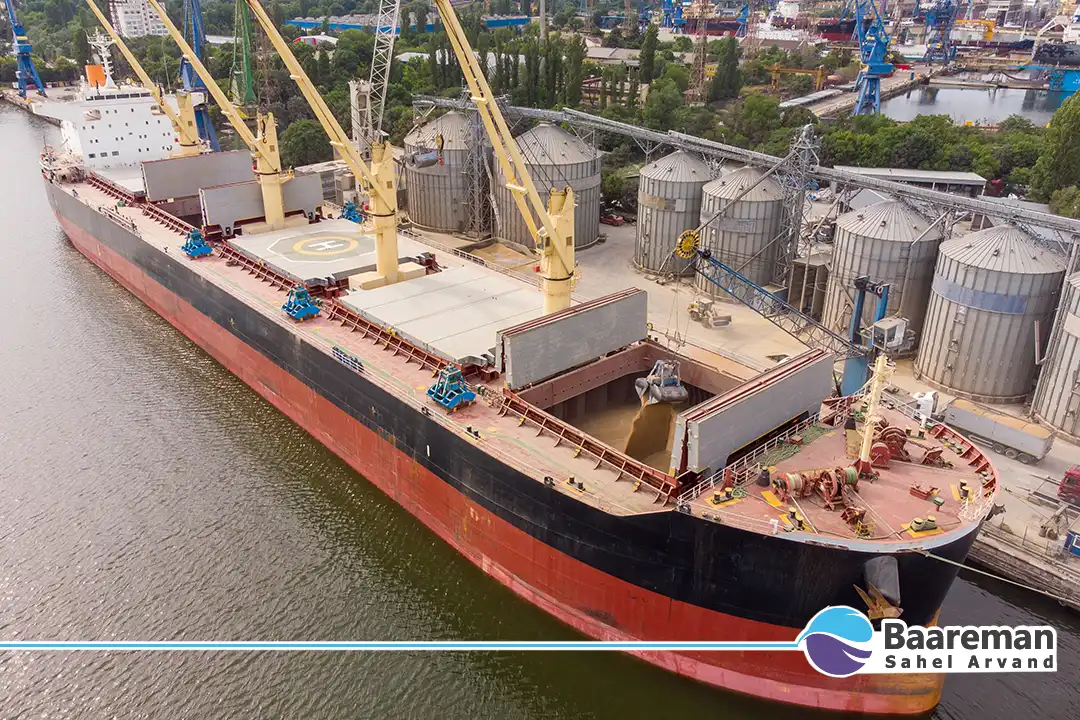
Project cargo destined for Middle East ports often involves massive components – for instance, oil refinery modules, power plant turbines, or giant reels of cable – that require specialized cranes (such as heavy-lift mobile cranes or the ship’s own derricks) and, in some cases, custom rigging frames. Port operators and agents work together to allocate suitable berths with adequate draft and outreach for the cranes and to arrange any special equipment, such as spreader bars, lifting beams, or modular trailers.
In Oman’s developing Port of Duqm, for example, the arrival of a new breakbulk liner service saw the port successfully load 160-ton industrial separators onto a vessel – a heavy-lift operation that showcased Duqm’s growing capabilities. Such operations are only possible with meticulous advance planning and staging of equipment on the pier.
During loading/unloading, adherence to protocols is non-negotiable. Each piece of cargo is lifted slowly and positioned precisely into place (whether onto a trailer, rail wagon, or the dock), guided by skilled riggers on the ground.
Communication via radio between crane operators and stevedores is kept clear and constant to maneuver delicate or bulky loads without incident. Often, breakbulk loading takes longer than container operations – it’s not unusual for a single multi-ton item to consume hours of careful work – so ports in the Middle East strive to maximize efficiency through techniques like working multiple cranes in tandem (for very heavy items), operating extended hours or night shifts when possible, and ensuring the next piece of cargo is pre-slung and ready to go as soon as the previous lift is complete.
By fine-tuning these procedures and maintaining close teamwork, leading regional ports like Jebel Ali and Sohar have proven that breakbulk can be handled swiftly without sacrificing safety or care.
Safety and Rigging Standards
Safety is paramount in breakbulk operations, given the oversized and often heavy nature of the cargo. Middle Eastern ports enforce rigorous safety and rigging standards to protect both personnel and goods. All lifting equipment – cranes, hooks, slings, shackles, spreaders – must be certified and regularly inspected. Before any lift, stevedores perform thorough checks to ensure slings are in good condition (no fraying or damage), shackle pins are secure, and the crane is rated for the weight.
It’s standard practice to hold a pre-lift safety meeting with the entire crew, riggers, and supervisors to review the lifting plan, signaling protocol, and emergency procedures. International rules and guidelines, such as the IMO and OSHA regulations on cargo lifting and the Lifting Operations and Lifting Equipment Regulations (LOLER), are followed alongside local port rules. Many Gulf countries have their own safety codes – for instance, the UAE’s ports require all heavy-lift operations to be supervised by qualified rigging inspectors and, for extremely large moves, by an independent marine warranty surveyor.
Proper rigging technique is a key focus area. Each breakbulk unit has unique lifting points and center-of-gravity considerations; rigging teams in ports like Abu Dhabi or Bandar Abbas are trained to calculate weight distributions and use the appropriate lifting gear (e.g., nylon slings vs. wire rope, use of spreader bars to avoid crushing forces, etc.) for every piece.
Lifting points are clearly marked on cargo where possible, and uneven loads are handled with multiple cranes or special frames to keep them level. If an object is long (like a large pipe or beam), tag lines are attached so ground handlers can control any sway as it’s hoisted. No one is allowed under a suspended load at any time, and the surrounding area on deck or dock is cordoned off as a safety zone. These measures prevent accidents and also minimize the chance of cargo damage (since a dropped or mishandled piece could be catastrophic). Middle East ports also impose strict weather-related safety cutoffs (discussed further below) – for example, if wind speeds exceed safe crane operation limits, lifts are paused to avoid dangerous pendulum effects on heavy loads.
Training is another crucial element. Stevedores and crane operators receive continuous training in advanced rigging practices and safety drills. Many terminal operators in the region partner with heavy-lift specialists to certify their workforce in handling out-of-gauge cargo. Regular safety audits by port authorities ensure compliance; failure to follow proper procedures can lead to inspectors halting operations. By upholding high rigging standards and a safety-first culture, Middle Eastern ports aim for zero incidents, which also helps maintain an excellent reputation among project cargo shippers.
Weather and Environmental Constraints
The Middle East’s climate poses several environmental constraints that directly impact breakbulk operations. High temperatures, seasonal winds, and sea conditions all must be accounted for when planning and executing cargo handling.
Extreme heat is a constant factor, especially in Gulf ports like Dubai, Abu Dhabi, and Bandar Abbas during the summer. Daytime temperatures can soar above 45°C (113°F), which not only puts tremendous strain on workers and equipment but can also affect certain cargoes (for example, steel pipes or machinery can become scorching to the touch, and some sensitive components may need sun protection). To cope, many ports adjust working hours – heavy lifts and intensive operations are often scheduled for early morning or nighttime to avoid the midday heat. In some GCC countries, regulations even mandate midday breaks for outdoor laborers in peak summer months.
Additionally, hydration stations and cooling areas are provided on the docks, and equipment like crane cabs and forklifts are air-conditioned to protect operators. Heat also necessitates vigilant equipment maintenance; hydraulic systems and wire ropes are more prone to failure under extreme temperatures, so inspections are increased during heat waves. By proactively adjusting schedules and ensuring worker safety measures, ports mitigate the risk of heat-related slowdowns or incidents.
Wind and storms present another challenge. While the Middle East generally has clear weather, certain periods bring strong winds (such as the “Shamal” wind in the Gulf) and dust storms that can disrupt port work. High winds are especially problematic for breakbulk handling because cranes have wind speed limits for safe operation – a large suspended load in a gusty wind can start swinging dangerously. Port authorities in the UAE and Oman monitor real-time weather data; if winds exceed a threshold (often around 25–30 knots for heavy lifts), operations are paused until conditions improve. Dust and sandstorms, which occur occasionally, can reduce visibility and coat equipment, so ports prepare by securing cargo and sometimes postponing moves until visibility returns. Equipment is also checked, and filters are cleaned after sand exposure.
A particularly critical environmental factor is the monsoon season, which affects the Arabian Sea and parts of the Gulf of Oman. In southern Oman, for instance, at the Port of Salalah, the Khareef (monsoon) brings high winds, heavy swells, and rough seas from June to September each year. This dramatically limits over-water operations. Salalah’s port authority often closes the anchorage during monsoon months because small barges and bunkering vessels cannot safely operate in the high waves.
Ships calling at Salalah during this season must conduct all cargo operations alongside berths rather than at anchorage, and even alongside, extra precautions are needed due to the surge and vessel movement. To counter this, Salalah has invested in special mooring tension systems – shore tensioners that help stabilize vessels at berth during swells, reducing vessel motion by up to 90% compared to normal mooring lines. This innovation has resulted in safer, more efficient operations even amid the monsoon’s residual swells. Nonetheless, heavy-lift and breakbulk schedules are adjusted to avoid the worst weather weeks, and larger safety margins are applied.
Other Middle Eastern ports like those in Iran’s Persian Gulf coast or the UAE’s Indian Ocean coast (Fujairah, etc.) can also experience occasional rough sea conditions or rare cyclonic storms. Contingency planning is essential: ships may need to delay arrival or wait out a storm at a safe anchorage.
For time-sensitive projects, including a weather-delay buffer in the schedule is a wise strategy. Additionally, environmental factors such as humidity and salinity are considered – equipment and cargo may require protective coatings or covers to prevent corrosion from salty air or damage from sudden downpours (e.g., covering sensitive machinery with tarpaulins if rain is forecast). In summary, understanding the local climate patterns and incorporating them into operational planning is vital. By respecting weather constraints – whether it’s pausing during midday heat, halting during high winds, or planning around monsoon months – breakbulk handlers in the Middle East can avoid accidents and inefficiencies caused by Mother Nature.
Anchorage Operations and Off-Port Handling Challenges
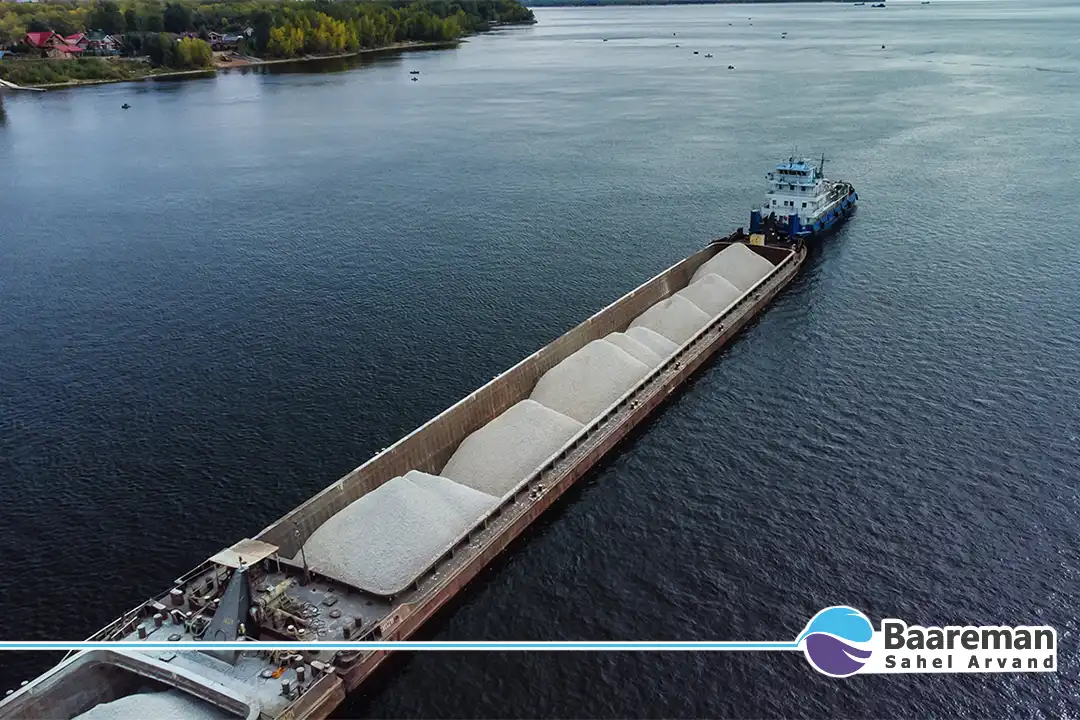
Performing cargo operations at anchorage (offshore, outside the harbor) is sometimes necessary in the Middle East, but it introduces extra challenges. Vessels may discharge or load breakbulk cargo at anchorage for various reasons: the port might lack a suitable berth or heavy crane, the harbor could be too shallow or congested for the ship to enter, or, in some cases, geopolitical risks and sanctions might discourage a ship from docking. In Iran, for example, there have been instances of project cargo vessels choosing to remain just outside port limits for insurance reasons while transferring cargo, and in smaller Gulf ports, it’s not uncommon for heavy lift ships to offload onto barges offshore due to berth limitations.
Anchorage operations demand careful coordination and favorable conditions. Cargo transfers onto barges or service vessels require a stable platform – calm seas and minimal swell are essential. Even a moderate chop can make it unsafe to lift a 100-ton piece from a ship deck down onto a bobbing barge. As a result, such operations are typically scheduled during known calm weather windows. If unexpected sea state changes occur, operations are suspended immediately.
A real-world example comes from South Asia’s coast (which mirrors challenges seen in the Middle East): a power plant project had to light coal at sea because there was no berth at the site. The coal was discharged from the bulk carrier offshore using grabs onto barges, which then brought it to a makeshift jetty. Coordination was quite a challenge, and when the monsoon season arrived with four months of rough seas, all offshore transfers had to cease completely. This illustrates how anchorage cargo work can be completely at the mercy of sea conditions – planners must factor in seasonal downtimes and have backup plans.
In the context of breakbulk, heavy and oversized cargo at anchorage is even more delicate. All the safety considerations for port lifts apply, but with the added risk of vessel movement. Stability calculations are performed for the carrying ship as it offloads weight (to ensure it remains stable) and for the receiving barge (to ensure it doesn’t list dangerously when the load lands).
Specialized marine engineering teams and often a marine warranty surveyor oversee significant anchorage lifts. It’s also crucial to have the right assets in place: reliable barges or landing craft, powerful tugs to hold them in position, and sometimes even floating cranes if the ship’s gear can’t handle the heaviest pieces. Middle East ports like Jebel Ali sometimes employ floating cranes to work alongside ships at anchorage, reducing the need for the vessel to enter the harbor for one or two awkwardly large items.
Another layer of complexity is regulatory and insurance compliance. Port authorities typically must grant permission for cargo operations outside official berths, and they will set conditions (daylight only, certain hours, standby tug requirements, etc.).
Local marine regulations in Oman and the UAE, for instance, mandate that a Port Captain or pilot may need to be present or that the operation be under VTS (Vessel Traffic Service) monitoring for safety. Insurance underwriters also require notification and often a detailed procedure to approve coverage for off-port transfers, given the higher risk. All stakeholders need to be in sync: the ship’s crew, the barge operators, the stevedores, and the agents coordinating with port control. Missteps in communication can lead to dangerous situations (imagine a scenario where a harbor tug wasn’t informed of a lift and passes too fast, causing its wake to rock a barge mid-lift).
In summary, while anchorage operations can be a viable solution to overcome port infrastructure limits, they require optimum conditions and precise coordination. Every minute of actual lifting is planned in advance, and contingency plans (such as abort criteria if the weather worsens or backup harbor options) are usually readied. Local expertise is invaluable here – a seasoned Middle Eastern marine logistics team will know the quirks of each anchorage (holding ground quality, typical afternoon sea breeze, etc.) and can thereby execute these complex operations with minimal risk. Still, one should budget extra time and cost for anchorage handling and use it only when absolutely necessary.
Customs Clearance and Port Authority Regulations
Navigating customs clearance and port regulations in Middle Eastern countries is an integral part of optimizing breakbulk operations. Every country – and often each port – has specific rules governing breakbulk and project cargo, and compliance is crucial to avoid costly delays.
On the customs front, documentation must be thorough and accurate. Breakbulk shipments generally require a full set of import/export documents, including the bill of lading, commercial invoice, packing list detailing each item, and certificate of origin. If the cargo is part of a project, there may be additional paperwork, such as a detailed cargo manifest or equipment lists that customs uses to verify contents.
In the UAE and Oman, customs authorities are known to be rigorous but efficient, provided all documents are in order. For instance, Dubai Customs mandates advance cargo declarations (through their online system) even for breakbulk, and any hazardous materials must be declared in accordance with the IMDG Code and accompanied by proper Material Safety Data Sheets. Missing or incorrect paperwork (such as a misclassified cargo code or an absent certificate of origin) can lead to cargo being held until it is rectified, incurring storage fees and jeopardizing tight project timelines. Hence, top operators make documentation a priority – double-checking HS codes, ensuring translation of any required documents (some countries need Arabic/Farsi copies for certain certificates), and obtaining any necessary letters from ministries for specialized equipment.
In Iran, the customs clearance for transit breakbulk cargo has its own complexities. Iran is often used as a transit corridor for oversized cargo moving from Gulf ports to landlocked Central Asia (e.g., moving from Bandar Abbas Port northward to Turkmenistan or Azerbaijan). While Iran offers a shorter route for these hauls, the transit procedures require local know-how. Transit bonds, detailed route plans, and coordination with border checkpoints are needed. Additionally, due to international sanctions and restrictions, extensive compliance checks are performed on cargoes in Iranian ports to ensure they are not prohibited items. Working with a local agent who is well-versed in Iranian regulations is indispensable; they can expedite clearances by preparing documents in the exact format expected by Iranian customs and by liaising directly with port and border officials to preempt any issues.
Port authority regulations in the region cover not just paperwork, but also the operational rules every vessel and cargo handler must follow within the port. This includes operating hours, equipment usage rules, and environmental/safety regulations. For example, some ports enforce limits on when heavy lift operations can occur – a port might restrict lifts above a certain tonnage to daylight hours for safety. In the UAE, local transport authorities impose road movement restrictions on heavy haulage exiting the port: oversized loads often require police escorts and are permitted to travel only at night or during specific hours to minimize traffic disruption.
A practical example of regulation is the UAE’s requirement that any truck carrying over-dimensional cargo (beyond 2.6 m width or 5 m height) must obtain a special permit from the Roads and Transport Authority (RTA), and if the cargo exceeds certain weight thresholds, the move might also need a certified engineer’s plan to ensure bridges and roads can handle it. A breakbulk operation isn’t truly “complete” when the item hits the dock – one must also ensure compliance for that item to actually leave the port and reach its destination.
Another important regulatory aspect is health, safety, and environment (HSE) compliance mandated by port authorities. Ports in the Middle East, especially in the UAE and Oman, have been raising their HSE standards in line with international norms. This means ship agents and stevedores must adhere to strict rules on wearing proper PPE, preventing oil or debris from cargo operations from polluting the water, and ensuring the safe stowage of any hazardous materials on the dock. Ports conduct random safety audits and will not hesitate to halt operations if a violation (such as an unsafe lift or an oil leak) is observed. Everyone handling breakbulk must thus be thoroughly briefed on port by-laws and codes of practice – for instance, knowing that in some ports, welding or cutting (for removing sea fastenings on a piece of cargo) can only be done with a hot-work permit and firefighting crew on standby.
In summary, to optimize operations, one must embed regulatory compliance into the planning process. Successful shipping agents in the Middle East create comprehensive checklists for each port call, ensuring all customs documents are ready and submitted in advance, securing any required approvals (oversize transport permits, night work permissions, etc.), and scheduling operations to comply with port rules. By doing so, they avoid bureaucratic snags that could otherwise negate the time saved through fast cargo handling. Ultimately, a smooth breakbulk operation is as much about paperwork and permissions as it is about cranes and trucks – diligent attention to both sides sets the stage for success.
Role of Local Ship Agents and Coordination
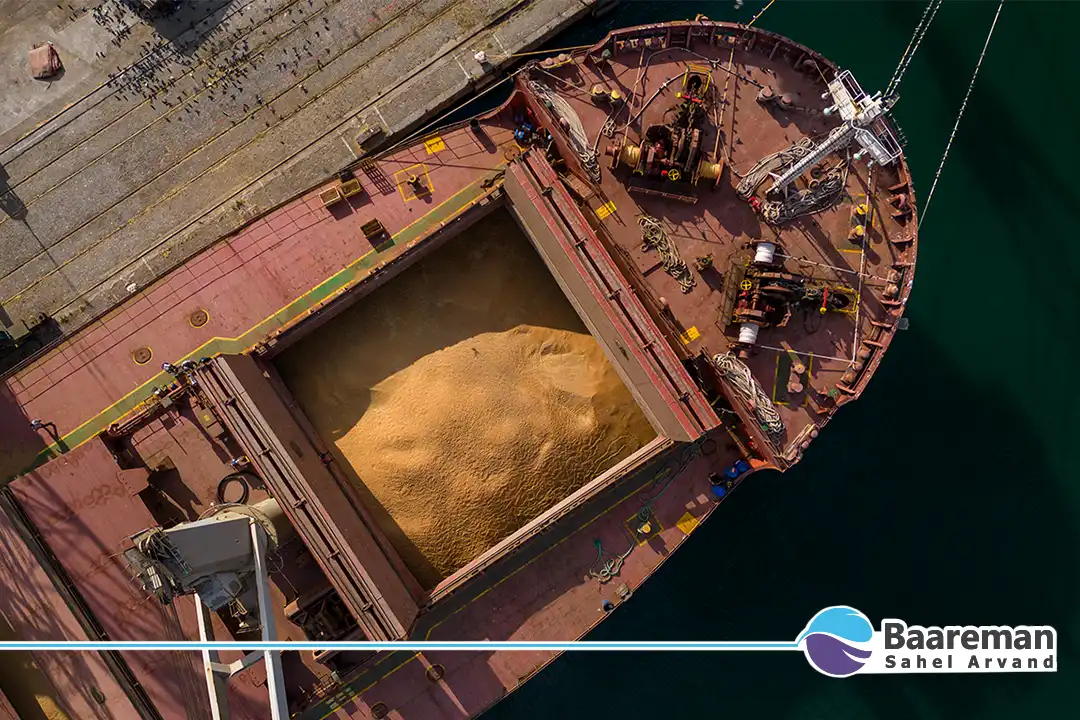
In the complex ecosystem of breakbulk logistics, local ship agents are the unsung heroes who bind the operation together – particularly in Middle Eastern ports where language, local customs, and bureaucratic processes can be challenging for outsiders. A proficient local agent serves as the eyes, ears, and hands of the vessel operator or cargo owner on the ground. Their role is multifaceted: handling administrative tasks (such as vessel clearance, pilot/tug arrangements, and port fee payments), coordinating physical operations, and troubleshooting issues that arise in real time.
One of the agent’s most important contributions is effective communication and liaison. Breakbulk projects involve multiple stakeholders: the ship’s captain and crew, the port authority, terminal stevedores, truckers or rail operators for inland transport, customs officials, and the cargo receivers. The agent stands in the middle of all these parties, ensuring everyone has the right information. For example, as a vessel approaches port, the agent will continually update the terminal on ETA, final cargo details, and any changes, while simultaneously keeping the ship informed about berth availability or weather holds. If a port authority issues a new regulation or a sudden plan (say, shifting the vessel to a different berth), the agent interprets and conveys this immediately to the vessel and the charterers, often in late-night phone calls across time zones. This constant communication prevents misunderstandings – for instance, making sure the heavy-haul trailers are queued at the port gate by the time a big transformer is offloaded, or notifying the receiver if a delay will affect their site preparations.
Local agents also leverage their relationships and local knowledge to accelerate operations. In Middle East ports, personal rapport and on-site presence can cut through red tape that might ensnare an unfamiliar operator. An experienced agent who has spent years working with local port officers and harbor masters knows whom to call for last-minute permission or how to diplomatically resolve a paperwork discrepancy.
For example, if a critical customs document hasn’t arrived due to an airline delay, a respected local agent might negotiate a workaround or provisional clearance based on their credibility, whereas an unknown party would simply face a hard stop. Similarly, agents often arrange ancillary services that keep the operation smooth: from booking priority crane time, hiring additional forklifts or riggers on short notice, to even coordinating with local police for an escort if a massive load needs to move out at night through city roads.
Crucially, a good ship agent in the Middle East is an expert in local regulations and culture. They ensure the vessel’s compliance with all port rules – whether it’s observing prayer time noise restrictions in certain ports or adhering to halal requirements for any foodstuffs on board (if relevant).
They handle crew immigration and port access for technicians, which can be tricky in some countries without the right sponsor. They’ll also advise on local holidays or events that could affect the schedule (imagine planning a discharge in an Iranian port during Nowruz, the new year holidays – a local agent would forewarn that operations might be slow or costly during that time). By anticipating such factors, agents help avoid unpleasant surprises.
On the documentation side, agents prepare and submit the myriad forms needed: vessel manifests, cargo declarations, transit permits, etc., in the correct format for each port’s system. In many Middle Eastern ports, online platforms (single-window systems) are used for clearance – an agent proficient in these can navigate them swiftly and ensure all fees are paid, and receipts are in hand, so the ship can sail on time after completing work.
In sum, the local ship agent acts as the project manager and problem-solver for breakbulk calls. They coordinate between all parties, keep everyone informed, and step in to resolve issues from the routine (a truck breakdown, a sudden squall) to the exceptional (a crane failure, or a diplomatic issue affecting the port). Their value is especially evident when things don’t go perfectly to plan – a capable agent can often find a timely solution that prevents a minor hiccup from becoming a major delay. For any company undertaking breakbulk moves in the Middle East, partnering with a reliable local agency is arguably the single biggest step toward ensuring a successful operation. Their expertise, networks, and 24/7 presence allow owners and charterers to breathe easier, knowing someone on the ground is safeguarding their interests and keeping the operation on track.
Advanced Strategies for Efficiency and Risk Reduction
To truly optimize turnaround times and reduce costs in breakbulk operations, industry leaders are increasingly adopting advanced strategies tailored to the Middle Eastern port environment. These strategies go beyond the basics, targeting every aspect of the operation from pre-arrival planning to post-discharge follow-ups. Below are several high-impact approaches:
- Meticulous Pre-Planning: Time spent planning is seldom wasted. The most efficient breakbulk operations begin with an exhaustive pre-planning phase. This involves route planning (selecting the optimal port of entry based on factors such as congestion or proximity to the project site), scheduling to avoid bottlenecks (for example, arranging weekend or night operations if the port is quieter), and securing all necessary permits in advance. For instance, if a shipment includes an over-dimensional piece that will transit by road in the UAE, the operator will apply for the road transport permit days or weeks ahead, so that the approval is in hand when the cargo arrives. Similarly, any exemptions or special arrangements (such as arranging a temporary storage area at the port or permission to use port cranes for extra hours) are negotiated up front. By eliminating uncertainties before the ship even sets sail, you ensure that once the voyage starts, the focus can shift to execution rather than paperwork.
- Resource Optimization: This strategy means ensuring the right resources are in the right place at the right time – and used to their fullest. One example is equipment staging: if multiple heavy lifts are to be discharged, having two cranes working in tandem (if available) can nearly halve the total operation time. Ports such as Jebel Ali, with abundant equipment, often assign multiple cranes to a single vessel – one for offloading heavy units, another simultaneously handling smaller pieces. In ports with more limited gear, creative solutions like bringing in a floating crane (if the berth can accommodate it) or using the ship’s own cranes in dual lifts (provided the vessel’s gear is designed for that) can speed things up. Another resource aspect is labor: scheduling additional gangs of stevedores to work concurrently can expedite operations – e.g., one team rigging the next piece while the previous piece is being landed and secured. Of course, this must be balanced with safety and space constraints, but a well-coordinated dance of manpower can shave hours off a port stay.
- Technology and Real-Time Tracking: Although the focus here is on non-automated solutions (to avoid heavy automation themes), the smart use of available technology can significantly enhance efficiency. Many Middle Eastern ports and agents employ real-time tracking and communication tools – for example, using WhatsApp groups or dedicated radio channels to keep all stakeholders updated by the minute. If a delay happens (perhaps a customs inspection is taking longer on one item), everyone – from the crane operator to the trucking company – knows about it immediately and can adjust. Some operations centers also use big screens to monitor vessel progress, weather updates, and truck movements in real time. This transparency ensures that any small issues are caught early and resolved. In terms of tracking, attaching GPS units to critical cargo can help monitor when it exits the port and trace any slowdowns en route to the site. Overall, while not full “digitization”, leveraging communication tech available to all can tighten the coordination loop and reduce lag time between different parts of the operation.
- Parallel Operations: A key strategy to minimize overall port stay is performing tasks in parallel whenever safe and feasible. For example, a ship can undergo bunkering or provisioning while cargo work is underway, rather than sequentially. Middle East ports are increasingly allowing dual operations – such as bunkering at berth during cargo discharge – to improve turnaround. As noted earlier, the Port of Salalah even managed to bunker ships during cargo ops by adjusting procedures, enabling vessels to depart sooner. Likewise, if a surveyor inspection or lashing removal is needed on cargo, agents arrange for that to happen as soon as the ship berths, in parallel with other prep work, so it doesn’t eat into loading time. By stacking activities wherever possible, you compress the timeline.
- Contingency Planning and Risk Mitigation: Even with all optimizations, things can go awry – equipment can break down, or weather can suddenly worsen. Advanced operators, therefore, invest in robust contingency plans. This might mean having a standby crane or spare forklift on call in case the primary one fails. It could mean identifying an alternate port nearby in case unexpected congestion hits (for instance, having Fujairah as a backup if Jebel Ali faces a sudden closure, or using Port Sultan Qaboos in Muscat if Sohar is overloaded – provided overland transport is arranged accordingly). Planning for “what-if” scenarios, such as temporary storage solutions if the onward transport is delayed, or buffer time for customs clearance if a random inspection is triggered, can save significant money and time. A common risk mitigation practice is comprehensive cargo insurance and damage prevention: ensuring all breakbulk pieces are properly insured and taking preventive measures, such as extra padding or shrink-wrapping for delicate parts, to prevent damage from dust or handling. Avoiding cargo damage is itself an efficiency boost – a damaged item could mean rework or replacement, which could derail a project schedule.
- Stakeholder Collaboration and Transparency: Finally, fostering a culture of collaboration among all parties yields efficiency gains. Rather than each stakeholder simply focusing on their piece, the best breakbulk operations see everyone working in concert. Regular coordination meetings (or calls) are held in the run-up to the port call – including shipping line reps, the agent, the terminal, the inland transport providers, and the cargo owner. These meetings hammer out potential issues in advance. During the operation, a single point of contact (often the ship agent) keeps information flowing to all, e.g., by sending emails or progress updates every few hours. When everyone has a shared real-time view of the operation’s status, confusion is minimized – the truck drivers know exactly when to be ready at port, the receivers prepare their off-site storage accordingly, and port officials can arrange any required overtime staff if they see the schedule trending behind. In essence, clear communication (addressed in the next section) and teamwork act as force multipliers for all other efficiency measures.
By implementing these advanced strategies, companies handling breakbulk in Middle East ports have significantly improved vessel turnaround times and reliability. In an industry where delays can cost thousands of dollars per day (in vessel charter costs, labor, and equipment hire), shaving even a few hours off an operation or avoiding a single extra day at port can translate into substantial savings. Moreover, consistently efficient operations build a port’s reputation and trust with project shippers, leading to more business and smoother collaboration with authorities who appreciate professionalism. It’s a win-win that underscores the value of going above and beyond the standard playbook when operating in this region.
Improving Communication Between Port Stakeholders
Seamless communication between all stakeholders in a breakbulk operation is often the secret sauce behind a successful port call. Given the number of parties involved and the dynamic nature of cargo handling, maintaining clear and timely communication in Middle Eastern port contexts cannot be overstated – it is a critical factor that underpins safety, efficiency, and cost control.
Firstly, consider the range of stakeholders: shipping line or vessel owner, port authority, terminal operator, ship agent, customs officials, trucking or rail companies for onward delivery, project managers from the cargo owner’s side, insurance surveyors, and, sometimes, even local law enforcement (for escorting large loads). Each has different priorities and pieces of information. The goal of an optimized communication plan is to ensure everyone has access to the information they need, when they need it, in a digestible format.
One best practice is establishing a central communication channel or hub for the operation. In earlier days, this might have been a daily briefing at the port office; today it could be a coordinated group chat or a shared online dashboard. For example, before a vessel’s arrival, the agent might create a WhatsApp group including the vessel’s master, the stevedore superintendent, the transport manager handling the offloading, and any other key player. Through this group, quick updates flow: “Pilot on board at 08:00, berthing in 1 hour”, “Commencing discharge of unit 1 at 10:30”, “Truck #ABC ready at gate for unit 1 pickup”, and so on. This real-time flow of information keeps everybody aligned and able to react. If any issue arises, it’s immediately flagged to all – “Crane stoppage at 14:00 due to maintenance, resuming in 30 min” – so even those off-site know the timeline shift.
Furthermore, many operations in the Middle East involve multi-lingual teams. It’s common to have a mix of Arabic, English, Hindi, Farsi, and other languages spoken among crew, port workers, and drivers. Effective communication means using a common language (usually English for maritime operations) or having translators/bilingual staff to bridge gaps. Documentation and instructions may be provided in dual languages – for instance, an agent in Oman might distribute an English briefing to the foreign vessel crew, and an Arabic version to the local trucking company management to ensure nothing is “lost in translation.”
Regular coordination meetings are useful for complex projects. In a large discharge involving dozens of pieces, the agent or project manager often holds a daily debrief at shift changes – either in person or virtually – where each party reports progress and any concerns. For example, the customs officer might indicate which pieces they want inspected the next day, so the stevedores can plan to place them in an accessible location. The trucking team can report any road issues or confirm the arrival of the next batch of trailers. These short sync-ups (even 15 minutes) can prevent misalignment and resulting idle time.
Transparency is another important element. When stakeholders hide or delay information (even if to avoid conflict), it tends to worsen outcomes. For example, if a trucker knows they’ll be late but fears a penalty and doesn’t inform the agent, the crane and gang might wait around unproductively. By fostering a blame-free culture of transparency – where the emphasis is on solutions, not finger-pointing – stakeholders are more likely to speak up early about potential hiccups. Middle Eastern business culture values relationships and often personal trust; once that trust is established in a port community, communication tends to flow more freely.
Agents play a role here as well: a respected agent can often gather candid updates from port workers and share them diplomatically with principals, where a direct query from an owner might be met with silence or overly optimistic assurances.
Finally, the use of communication protocols and tools should match the operation’s needs. In the heat of discharging a heavy lift, nothing beats the clarity of hand signals and radio comms on the spot between the crane and ground crew. But on the broader operation level, written communication (emails, reports) provides an audit trail and clarity for after-action analysis. Many forward-thinking operations now produce an “End of Day” report summarizing what was done, any incidents, and a plan for the next day, which is emailed to all stakeholders each evening. This not only keeps everyone informed but also serves as a continuous log that can be reviewed to improve future performance.
In summary, robust stakeholder communication in breakbulk operations is like the oil in a machine – without it, even the best equipment and plans can grind to a halt due to misunderstanding or lack of coordination. By using common platforms, scheduling regular info exchange, breaking language barriers, and promoting transparency, Middle East port stakeholders can significantly reduce delays and errors. The outcome is a more synchronized operation where each participant knows their role and timing, much like musicians in an orchestra following the same score, resulting in a harmonious and efficient performance.
Conclusion: Partnering for Success in Middle East Breakbulk Operations
Optimizing breakbulk operations at ports in Iran, the UAE, Oman, and across the Middle East requires a holistic approach. As we’ve explored, success hinges on meticulous planning, strict adherence to safety and handling protocols, agility in dealing with weather and anchorage challenges, diligent compliance with customs and regulations, and above all, seamless coordination among all parties. Each project cargo movement is a concerted team effort – from the moment a shipment is conceived to the final delivery inland – and every link in that chain must be strong.
For organizations involved in shipping heavy and oversized cargo, the Middle East offers both tremendous opportunities and unique operational hurdles. The region’s ports are investing in infrastructure and have demonstrated their capabilities with record-breaking cargo volumes and world-class projects. Yet, local conditions – whether a sudden sandstorm, a nuanced customs procedure, or a tight local trucking market – can impact even the best-laid plans. That’s why engaging the right local expertise is so critical. A seasoned Middle Eastern ship agency can make an enormous difference in executing these complex operations flawlessly. They bring local insight, relationships, and on-the-ground problem-solving that save time and money while safeguarding the cargo and the vessel.
In conclusion, the advanced strategies outlined – from improving pre-shipment planning and employing specialized equipment, to enhancing stakeholder communication and risk management – all point to one overarching theme: preparation and partnership. By preparing thoroughly and partnering with reliable local experts, breakbulk shippers can dramatically increase turnaround efficiency, reduce costs, and mitigate risks of damage or delay. Middle East ports are ready and able to handle your most challenging cargoes, especially when you come equipped with a solid game plan and the right allies.
If you’re planning a breakbulk shipment through the Middle East, don’t leave anything to chance. Now is the time to put these best practices into action. Collaborate with a trusted Middle Eastern ship agency that knows the lay of the land and can coordinate every facet of your operation with precision. With the support of an experienced local partner, you can navigate port regulations, anticipate challenges, and ensure that your valuable cargo reaches its destination safely, on schedule, and on budget. Contact our Middle East breakbulk logistics team today to discuss your upcoming projects – let us put our regional expertise to work for you, so you can focus on your core business with confidence that your port operations are in the best of hands.