
The Impact of Pier Design and Port Infrastructure on the Speed and Accuracy of Bulk Cargo Handling
In the highly competitive landscape of global maritime trade, the efficiency of port operations serves as a primary determinant of a region’s economic viability. For the Persian Gulf, a strategic hub for energy and dry bulk commodities, the integration of advanced pier design and robust port infrastructure is not merely a logistical requirement but a critical competitive advantage. The handling of bulk cargo—ranging from minerals and grains to liquid petroleum products—demands a sophisticated synergy between vessel requirements and terrestrial capabilities. This article explores how the architectural and technical specifications of port infrastructure directly influence the speed, precision, and safety of bulk cargo operations.
The Strategic Architecture of Pier Design
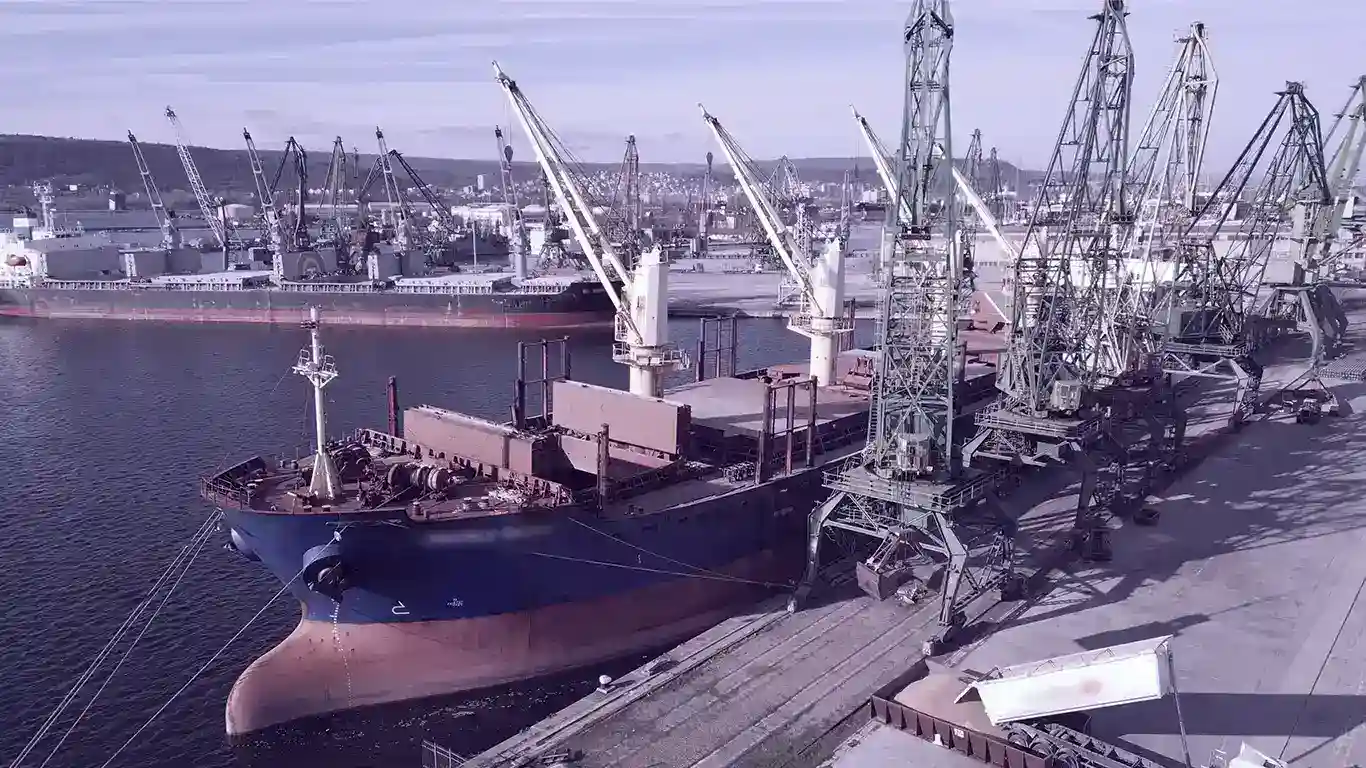
The design of a pier or berth is the foundational element that dictates the size and type of vessels a port can accommodate. In the Persian Gulf, where ultra-large bulk carriers and tankers are common, pier specifications must align with international maritime standards.
- Draft and Depth Optimization: The depth of the berth (draft) is the most significant limiting factor. Modern pier designs incorporate advanced dredging techniques to allow high-capacity vessels to moor safely. A deeper draft reduces the need for lightering operations (transferring cargo at sea), thereby significantly increasing the speed of the discharge process.
- Berth Length and Mooring Systems: The physical length of the pier must accommodate not only the vessel’s hull but also provide sufficient space for the deployment of loading arms or conveyor systems. Advanced mooring technologies, such as vacuum-based or hydraulic tensioning systems, minimize vessel movement caused by tides or currents, ensuring that the alignment between the ship’s manifold/hatches and the port’s equipment remains precise.

Advanced Bulk Handling Infrastructure
Speed and accuracy in bulk handling are achieved through the deployment of specialized machinery tailored to the physical properties of the cargo.
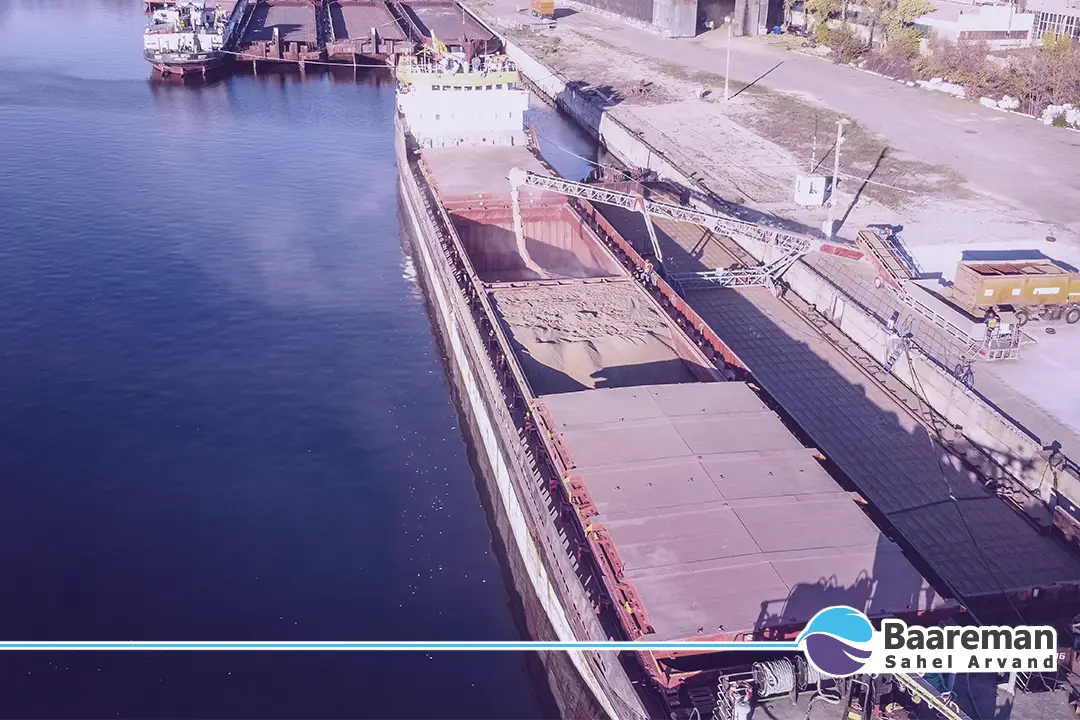
- Automated Conveyor Systems: For dry bulk such as iron ore, coal, or grain, the transition from ship-to-shore is best facilitated by high-speed automated conveyors. Modern infrastructure integrates enclosed conveyor belts to prevent cargo loss and environmental contamination—a factor of paramount importance in the sensitive ecosystems of the Persian Gulf.
- High-Capacity Loading Arms and Manifolds: In liquid bulk operations, particularly for tankers, the design of articulated loading arms is crucial. These systems allow for high-volume flow rates while maintaining leak-proof connections. The precision of these systems reduces the “dead time” between berthing and the commencement of pumping operations.
- Pneumatic and Mechanical Unloaders: For specialized dry bulk, pneumatic unloaders provide a vacuum-based solution that is both fast and minimizes dust emission, ensuring that the cargo integrity is maintained from the hold to the silo.
Digital Infrastructure and Smart Port Integration
Modern port infrastructure is no longer defined solely by concrete and steel; digital integration is now a cornerstone of handling accuracy.
- Real-Time Monitoring and Sensors: Sensors embedded in the pier infrastructure and handling equipment provide real-time data on cargo flow rates, weight accuracy, and equipment health. This prevents bottlenecks and allows for “Just-in-Time” logistics, where land-side transportation is perfectly synchronized with ship-side discharge.
- Automated Weight Bridges and Volumetric Scanners: Accuracy in bulk handling is often challenged by the nature of the material. Advanced volumetric scanning and automated weighing systems ensure that the quantity of cargo declared matches the physical reality, reducing disputes and administrative delays.
The Challenges of the Persian Gulf Environment
Infrastructure in the Persian Gulf must be designed to withstand extreme environmental conditions. High salinity, extreme temperatures, and humidity can lead to accelerated corrosion and mechanical fatigue.
- Corrosion-Resistant Materials: The use of specialized coatings and reinforced concrete in pier design ensures longevity and reduces the frequency of maintenance shutdowns.
- Heat-Resilient Machinery: Bulk handling equipment must be engineered to operate at peak efficiency even in temperatures exceeding 50°C. Failure to account for these conditions results in frequent breakdowns and increased vessel port stays.
The Interplay Between Infrastructure and Ship Agency
While infrastructure provides the physical means, the Ship Agent provides the operational intelligence. A professional ship agent understands the specific limitations and capabilities of each berth in the Persian Gulf. By coordinating between the vessel’s Master and the port’s terminal operators, the agent ensures that the vessel is allocated the most appropriate pier for its specific cargo needs, thereby maximizing the infrastructure’s utility.
Baareman: Delivering Excellence through Precision, Speed, and Deep Technical Expertise
In the complex environment of Persian Gulf maritime operations, the synergy between infrastructure and execution is where value is created. At Baareman, we recognize that sophisticated port infrastructure requires equally sophisticated management. Our approach to Ship Agency and bulk handling services is built upon a foundation of deep technical expertise and an uncompromising commitment to quality.
Baareman ensures that every vessel under our care benefits from optimized operational planning. We bridge the gap between complex port infrastructures and vessel requirements with surgical precision and unmatched speed. Our team’s profound understanding of the Persian Gulf’s terminal capabilities allows us to mitigate risks, eliminate delays, and ensure that bulk cargo operations are conducted with the highest standards of accuracy. When you partner with Baareman, you are choosing a legacy of professional excellence where every ton of cargo and every hour in port is managed with specialized mastery.