
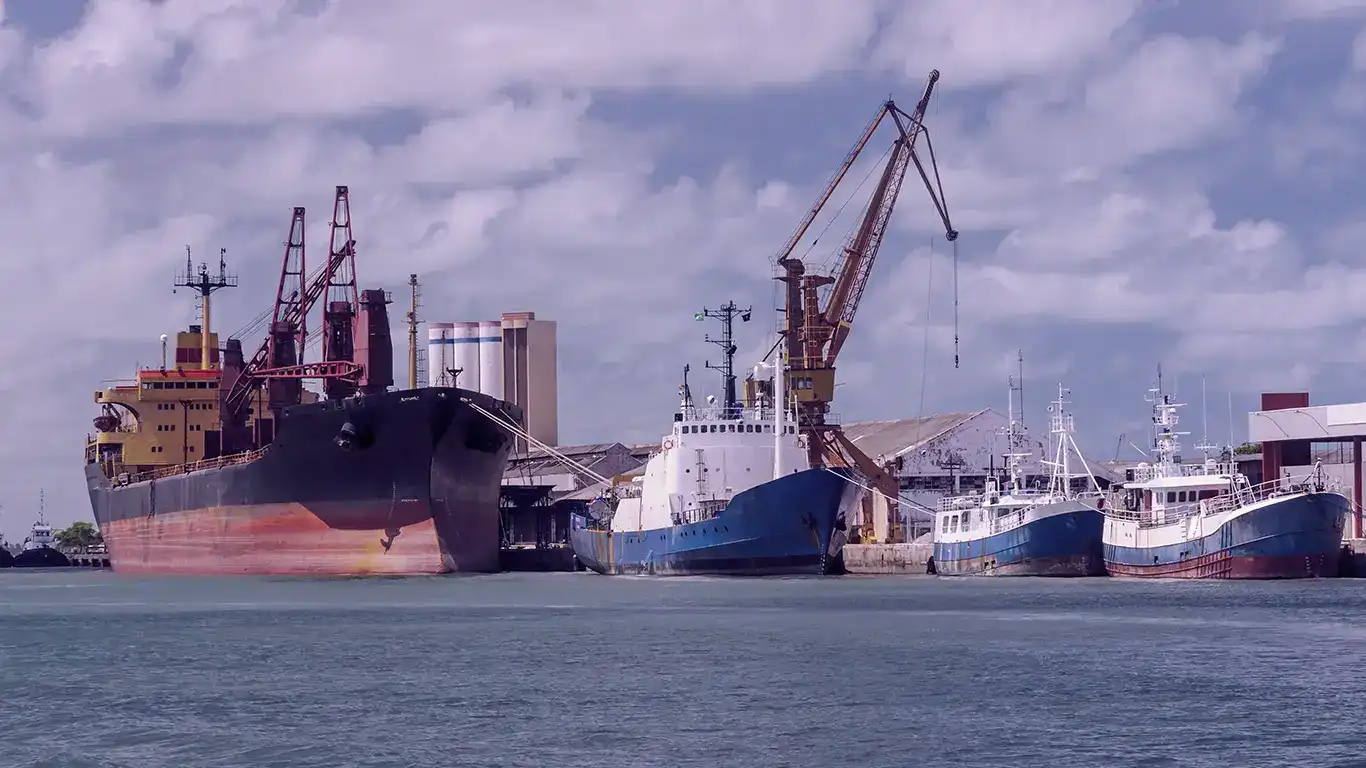
The Role of Breakbulk Handling Services in Reducing Vessel Port Stay in Persian Gulf Ports
Ports across the Persian Gulf serve as vital gateways for international trade, energy transportation, and large-scale industrial logistics. With the increasing movement of project cargo, heavy machinery, steel structures, and other oversized goods, breakbulk cargo operations have become a critical component of port activities in the region. Efficient Breakbulk Handling Services not only ensure safe cargo operations but also play a decisive role in reducing vessel port stay and improving overall maritime logistics performance.
For shipping companies, tanker operators, and cargo owners operating in the Persian Gulf, minimizing vessel turnaround time is a strategic priority. Delays in port operations can lead to increased operational costs, scheduling disruptions, and inefficiencies throughout the supply chain. This is where professional ship agents and specialized breakbulk handling services contribute significantly to operational efficiency.
Understanding Breakbulk Cargo Operations
Breakbulk cargo refers to goods that are transported individually rather than in containers or bulk form. Typical examples include industrial equipment, pipes, turbines, construction materials, and large mechanical components. Due to their size, weight, or shape, these cargoes require specialized planning, equipment, and coordination during loading and discharge operations.
Handling breakbulk cargo in Persian Gulf ports demands careful operational management. Each shipment often requires customized lifting plans, specific crane configurations, and coordinated port logistics. Without proper planning and supervision, such operations can cause operational delays and extended vessel stays.
Professional Breakbulk Handling Services ensure that these processes are executed efficiently, safely, and in accordance with international maritime and port regulations.
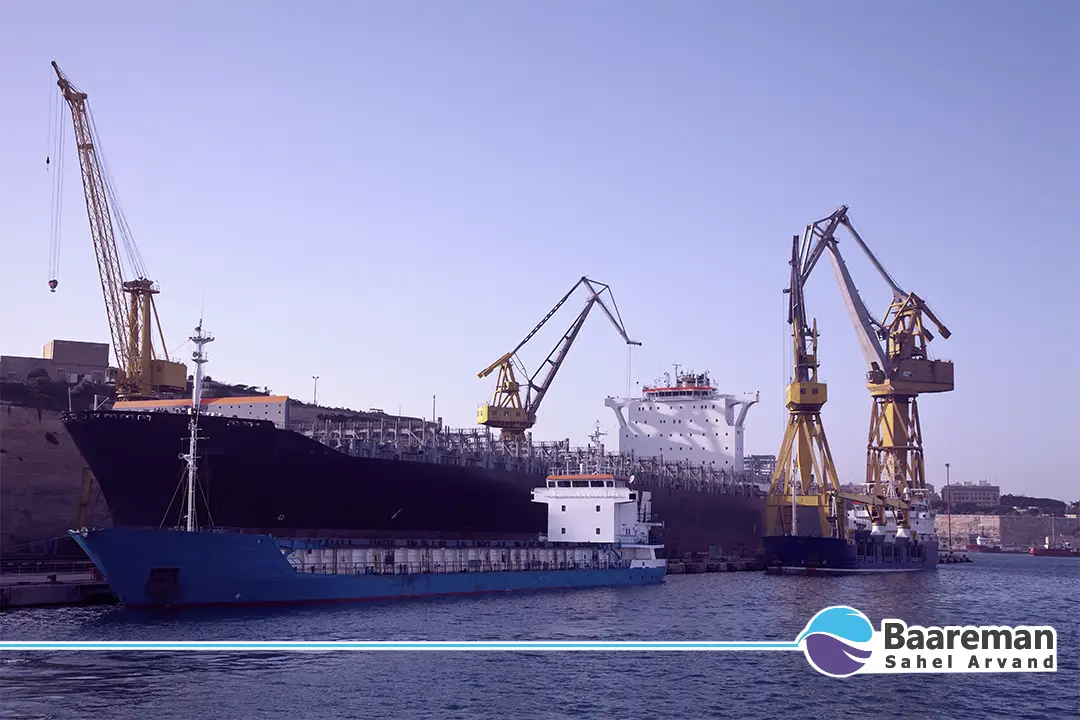
The Importance of Efficient Port Coordination
One of the primary factors affecting vessel turnaround time is the level of coordination between different port stakeholders. Breakbulk cargo operations involve several parties, including terminal operators, stevedores, customs authorities, port control, logistics providers, and ship agents.
A professional ship agent acts as the central coordinator among these entities. By managing documentation, scheduling port services, and ensuring operational readiness prior to the vessel’s arrival, ship agents significantly reduce the risk of delays during cargo handling.
In Persian Gulf ports where maritime traffic is substantial, proactive coordination can make a substantial difference in operational efficiency. Early cargo planning, berth allocation management, and equipment preparation allow breakbulk operations to commence immediately after vessel berthing.
Advanced Planning and Cargo Preparation
Effective breakbulk handling begins long before a vessel arrives at port. Advance planning plays a decisive role in reducing idle time and ensuring smooth cargo operations.
Professional ship agents and cargo handling teams typically conduct:
- Pre-arrival cargo assessments
- Equipment requirement planning
- Crane capacity evaluation
- Lifting and rigging preparation
- Coordination with port authorities and terminal operators
Such preparation ensures that the necessary infrastructure and equipment are available upon vessel arrival. In ports across the Persian Gulf, where multiple cargo operations often occur simultaneously, proper scheduling and preparation can significantly shorten operational timelines.
Specialized Equipment and Technical Expertise
Breakbulk cargo often involves heavy lifts and complex handling procedures. Without specialized equipment and experienced personnel, cargo operations may face interruptions, safety risks, or operational inefficiencies.
Modern breakbulk handling services rely on:
- Heavy-duty port cranes
- Mobile cranes and lifting gear
- Certified rigging equipment
- Skilled stevedoring teams
- Cargo supervision specialists
The presence of trained operational teams ensures that cargo loading and discharge processes are executed safely and efficiently. In turn, this reduces operational downtime and accelerates vessel turnaround in port.
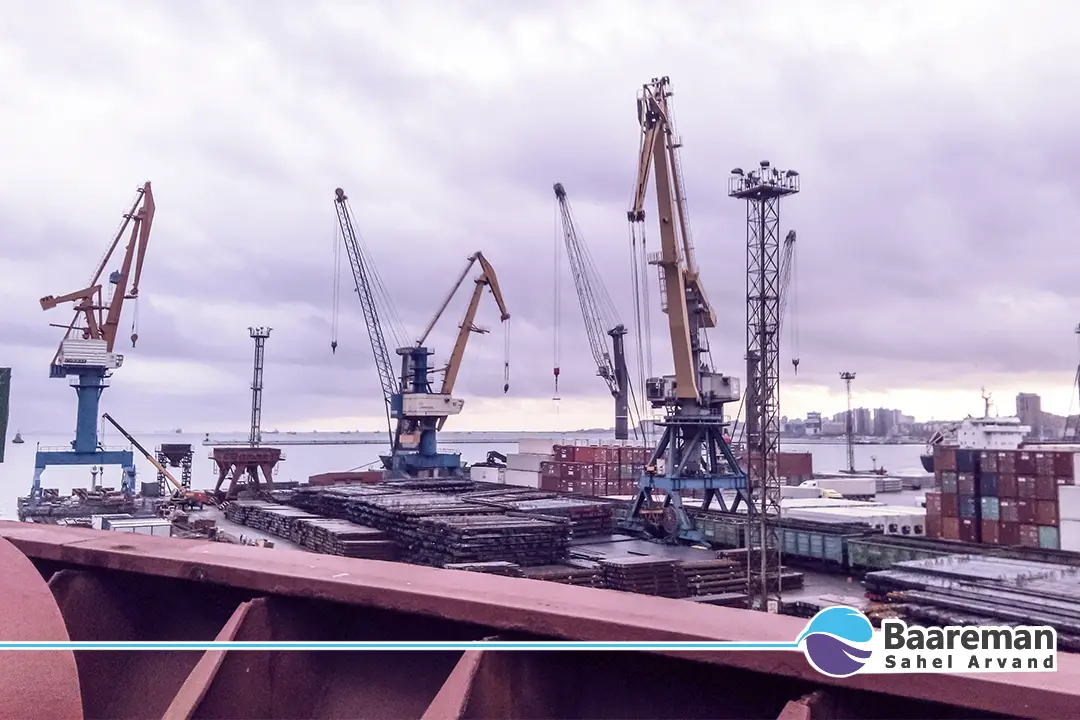
The Role of Breakbulk Handling Services in Reducing Vessel Port Stay in Persian Gulf Ports
The Strategic Role of Ship Agents
In the maritime logistics ecosystem of the Persian Gulf, ship agents play a critical role in ensuring seamless port operations. Their responsibilities extend beyond administrative procedures and include operational oversight, coordination, and real-time problem solving.
A reliable ship agent facilitates:
- Pre-arrival documentation processing
- Port clearance and regulatory compliance
- Coordination of cargo handling services
- Arrangement of pilotage, towage, and berth allocation
- Communication between vessel operators and port authorities
By maintaining continuous coordination between all operational stakeholders, ship agents help prevent procedural delays that may extend vessel port stay.
Reducing Operational Risks and Delays
Breakbulk cargo operations can involve numerous logistical and operational challenges. Improper cargo stowage plans, limited equipment availability, or miscommunication between port operators may lead to unexpected delays.
Professional breakbulk handling services reduce these risks by implementing structured operational procedures, risk assessments, and continuous supervision throughout the cargo handling process.
In the highly active ports of the Persian Gulf, where energy shipments and industrial cargo movements occur daily, minimizing such risks is essential to maintaining efficient maritime logistics.
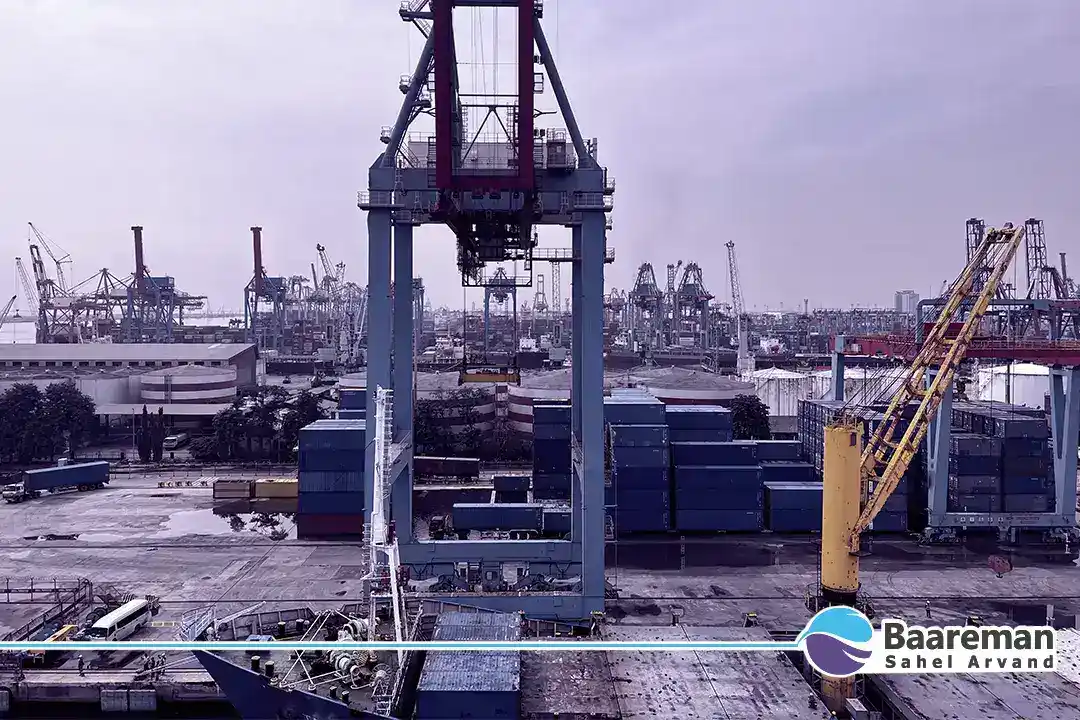
Supporting Efficient Maritime Trade in the Persian Gulf
The Persian Gulf remains one of the most strategically important maritime regions in global trade. Ports in this region handle large volumes of energy cargo, industrial equipment, and infrastructure materials destined for regional development projects.
Efficient breakbulk handling services contribute directly to the reliability and competitiveness of these ports. By reducing vessel waiting times, improving cargo handling efficiency, and ensuring operational safety, these services support smoother maritime trade flows.
For vessel operators and shipping companies, partnering with experienced ship agents who understand the operational dynamics of Persian Gulf ports can significantly improve logistical outcomes.
Conclusion
Efficient Breakbulk Handling Services play a crucial role in reducing vessel port stay and enhancing the overall efficiency of maritime logistics in Persian Gulf ports. Through advanced planning, specialized equipment, professional coordination, and experienced ship agency support, breakbulk cargo operations can be conducted safely and efficiently.
As maritime trade in the region continues to expand, the importance of professional cargo handling and reliable ship agency services will remain essential for maintaining operational excellence and minimizing vessel turnaround time. With a strong operational presence in the Persian Gulf, Baareman supports these needs by providing integrated Breakbulk Handling and ship agency services designed to reduce vessel delays and ensure smooth port operations.