
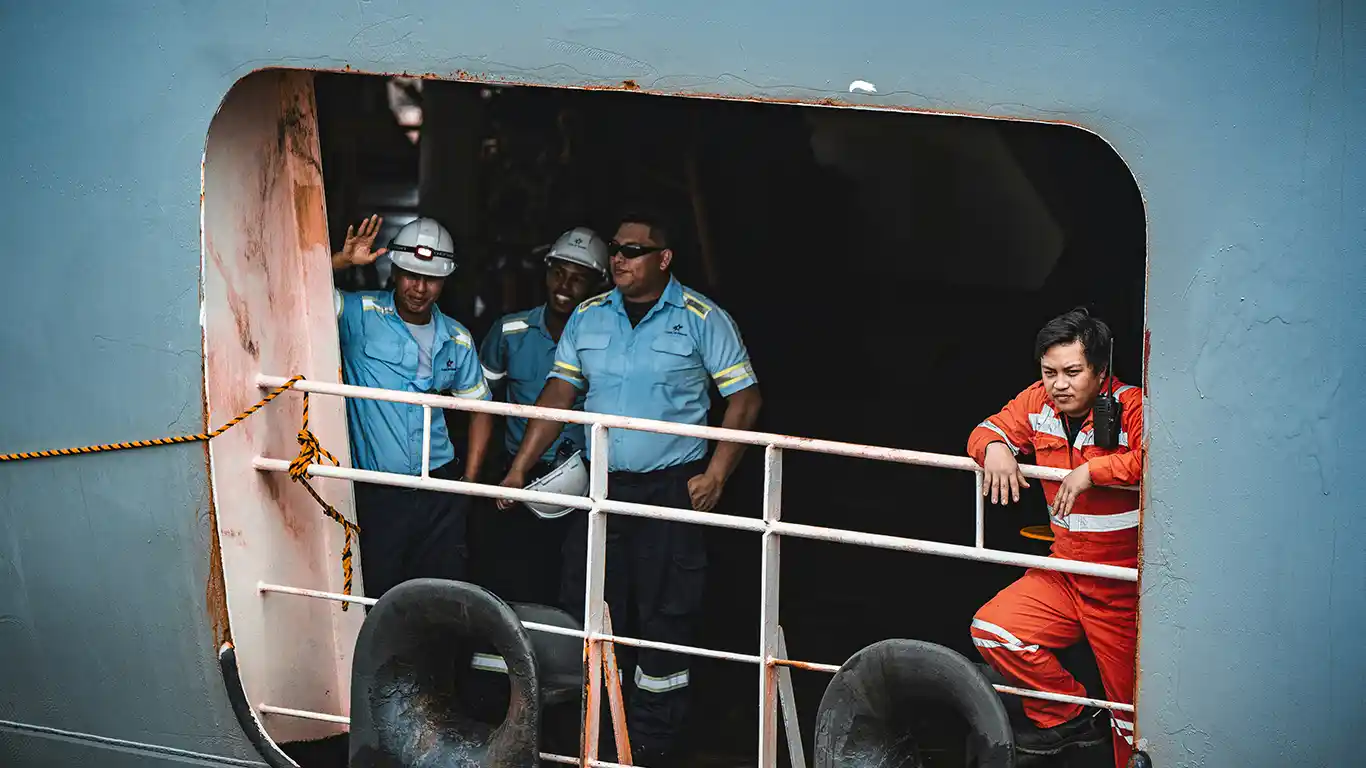
What Are Crew Services?
In the fast‑paced world of maritime commerce, vessel crew members serve as critical operational personnel responsible for the safe, continuous, and efficient functioning of ships. Crew Services refer to a complex range of operational, legal, welfare, medical, and administrative activities designed to provide comprehensive support for seafarers throughout their deployment cycle.
The accurate and timely delivery of these services is considered one of the core responsibilities of ship agencies, particularly in the high‑traffic ports of the Persian Gulf and southern Iran. In this article, we examine the crew services process from start to finish: from issuing invitation letters and planning crew changes to coordinating medical assistance, welfare support, launch boat transfers, legal services, and emergency response operations, with a specific focus on operational practices in Iran.
Crew Change Planning: The Initial Operational Phase
Request from the Shipowner or Ship Manager
At the initial stage, the Technical Superintendent or Crew Manager, acting on behalf of the shipowner or chartering company, submits an official crew change request to the ship agent at the destination port. This request generally includes:
- Estimated vessel arrival date at anchorage or port
- Full names of on‑signing and off‑signing crew members
- Nationality, passport details, and valid STCW certifications
- Visa requirements and airport arrangements
- Special conditions such as illness or medical considerations
Preparation of Invitation Letters and Immigration Permits
Upon receiving the information, the local ship agent proceeds with the preparation and issuance of an official Letter of Invitation for submission to the consulate of the crew member’s country of origin. In Iran, the issuance of entry visas for foreign seafarers requires completion of the following procedures:
- Obtaining a tracking code from the Directorate General for Foreign Nationals and Immigration Affairs
- Registering crew details in the Ministry of Foreign Affairs system
- Following up on visa issuance through the relevant consulate
At this stage, any discrepancy in names, dates of birth, or passport numbers may result in application rejection and delays of up to 72 hours.
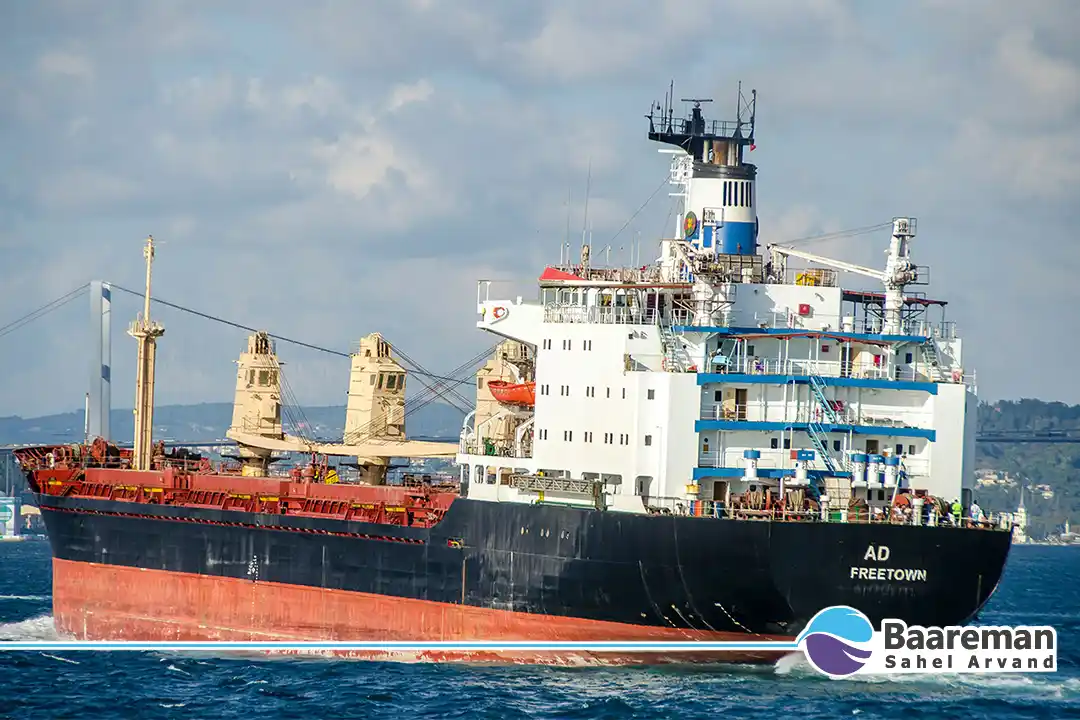
Transport Coordination: From Aircraft to Vessel Deck
Arrival of New Crew Members into the Country
Following visa issuance, the port agent is responsible for coordinating the following arrangements:
- Booking international and domestic flights within Iran (Tehran to Bandar Abbas or Bushehr)
- Reserving temporary hotel accommodation near the port
- Arranging licensed airport transportation for transfers from the airport to accommodation facilities
- Preparing officially translated documents for presentation to airport immigration authorities
- Coordinating crew transfer to vessels at anchorage
Coordinating Crew Transfer to Vessels at Anchorage
When a vessel is anchored offshore, sensitive crew transfer operations are carried out using launch boats or crew boats. For this operation:
- Navigation permits for the launch boat must be obtained from the maritime division of the Ports and Maritime Organization
- Weather conditions, including wind force, sea state, and visibility, must be assessed
- Safety equipment such as life jackets, radios, anti‑slip footwear, and waterproof clothing must be provided to crew members
- Crew member details must be communicated to both the launch master and the vessel’s master
In many cases, weather conditions in the Persian Gulf may result in operational delays ranging from 12 to 24 hours.
Legal and Immigration Services
The ship agent must coordinate all legal formalities related to crew entry and departure with the relevant authorities.
Submission of Crew Lists to Authorities
At least 48 hours prior to crew arrival, the following documents must be submitted to port authorities, police, customs, and the Ports and Maritime Organization:
- Official Crew List specifying ranks and positions
- Letter of undertaking from the ship agency company
- Scanned copies of passports and visas
- Medical insurance and P&I liability coverage documentation
Obtaining Exit Clearance for Off‑Signing Crew
When crew members disembark and return to their home country, the following procedures are required:
- Issuance of official exit permits
- Confirmation and reservation of return flight tickets
- Completion of health screening tests if required
- Payment of exit fees or overstay penalties where applicable
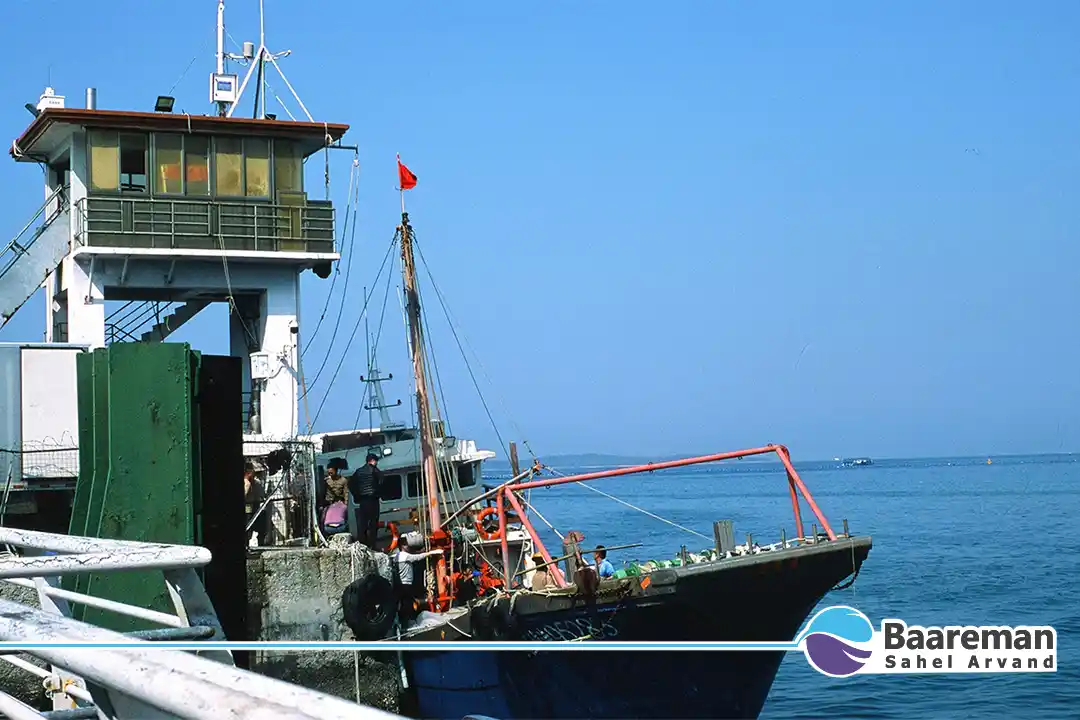
Medical Services: From Initial Assessment to Specialized Treatment
Initial Medical Evaluation
Prior to crew arrival, the ship agent must review the Seafarer Medical Certificate and health declaration forms. In cases involving suspected illness symptoms or chronic medical conditions such as diabetes, hypertension, or psychological disorders:
- The seafarer is referred to a specialized maritime medical clinic
- Additional tests, including CBC, ECG, psychological assessments, or drug screening, may be prescribed
Shore‑Based Medical Treatment
In the event of illness during the crew member’s stay onboard or ashore:
- Immediate contact is established with an approved maritime physician
- In emergency situations, the crew member is transferred by marine or ground ambulance to a medical facility
- The ship agent is responsible for recording medical documentation and obtaining official invoices for insurance purposes
Welfare, Psychological, and Emergency Support
Human Connectivity and Welfare
To maintain the mental well‑being of seafarers, ship agents should provide the following facilities:
- High‑speed internet access onboard or at hotels for communication with family members
- Access to communication applications such as WhatsApp and Zoom
- Provision of local SIM cards
- Translation services for communication with doctors, police authorities, or port officials
Support During Critical Situations
In cases involving the death of a family member, detention, loss of documents, or flight cancellation, the ship agent must:
- Immediately inform the Crew Manager
- Arrange alternative solutions such as extended accommodation or revised travel routing
- Prepare official letters for embassies or immigration authorities
Post‑Embarkation Coordination
Crew embarkation does not mark the end of operations; rather, it initiates the second phase of ship agency services. Post‑boarding responsibilities include:
- Registering crew members in the vessel management systems
- Entering crew information into the ISPS system and vessel logbook
- Verifying the compliance of certificates with assigned ranks and recording them in the official STCW register
- Issuing Personal Protective Equipment (PPE), including safety shoes, helmets, life jackets, and ship identification cards
Safety Familiarization and Drills
In accordance with SOLAS and ISM Code requirements, newly embarked crew members must, within 24 hours of boarding:
- Participate in Safety Familiarization Drills
- Become familiar with emergency escape routes, lifeboat locations, and fire stations
- Receive training on the use of onboard communication systems
Final Agent Report
Upon completion of operations, the ship agent is required to:
- Submit crew arrival and departure reports to the Ports and Maritime Organization
- Send service invoices to the Crew Manager
- Archive all documents, including tickets, hotel receipts, insurance copies, immigration permits, and operational reports
Inspections and International Compliance Requirements
Vessels undergoing crew changes may be subject to inspections by governmental and international regulatory authorities.
Port State Control (PSC) Inspection
PSC inspectors in Iran and the Persian Gulf may examine the validity of:
- Crew lists and medical documentation
- Crew rest hours records
- Insurance coverage and P&I confirmation
- Safety drill reports
In the event of non‑compliance or documentation deficiencies, the vessel may face warnings, fines, or departure delays.
Maritime Labour Convention (MLC) Inspection
Under the Maritime Labour Convention (MLC), seafarers must:
- Possess signed written employment agreements in English and their native language
- Receive wages on a regular basis
- Be accommodated under safe and humane living conditions
Where required, the ship agent must provide evidence of compliance to inspectors.

Operational Experiences and Real‑World Challenges
Bushehr Port Case – Delay in Flight Coordination
In 2023, a tanker vessel at Bushehr Port required the replacement of six crew members. Due to the absence of a direct flight from Tehran to Bushehr on the operational date, the agency team was forced to arrange flights via Shiraz, resulting in a 24‑hour delay, increased hotel expenses, and cancellation of the crew transfer launch boat operation.
In this case:
- The absence of an accurate domestic flight schedule created operational challenges
- The port operations team successfully completed the transfer by arranging a replacement launch boat and obtaining a nighttime navigation permit
Asaluyeh Port Case – Visa Issue for Indian Crew Members
At Asaluyeh Port, two Indian crew members failed to obtain visas due to issues related to Ministry of Foreign Affairs approval of the invitation letters. The crew change operation was delayed until the ship agent resolved the issue by urgently submitting supplementary documentation and rescheduling flights for two days later.
Integrated Crew Services Solutions: From Ocean to Terminal
Crew services represent one of the most critical support functions in maritime operations, and their effective execution requires:
- Comprehensive understanding of immigration, maritime, and labor regulations
- Continuous coordination with multiple operational authorities
- Accurate logistical and time management planning
- Preparedness for unexpected operational scenarios
In the southern ports of Iran, these services involve additional complexity due to unique geographical, security, and regulatory conditions. Within this framework, the ship agent performs a central operational role, and the success of the operation largely depends on the agent’s ability to coordinate, document, and manage operational risks effectively.
If you are seeking a professional team for the seamless management of vessel crew services in the southern ports of Iran, Baareman Sahel Arvand, with its extensive operational experience, direct access to port authorities, and strong anchorage support capabilities, is fully prepared to provide specialized, fast, and secure crew service solutions for shipowners and vessel managers. Contact us today to ensure your crew operations are handled with precision, reliability, and operational excellence.