
Coordination of Ship-to-Ship (STS) Bunkering Operations at Persian Gulf Anchorages
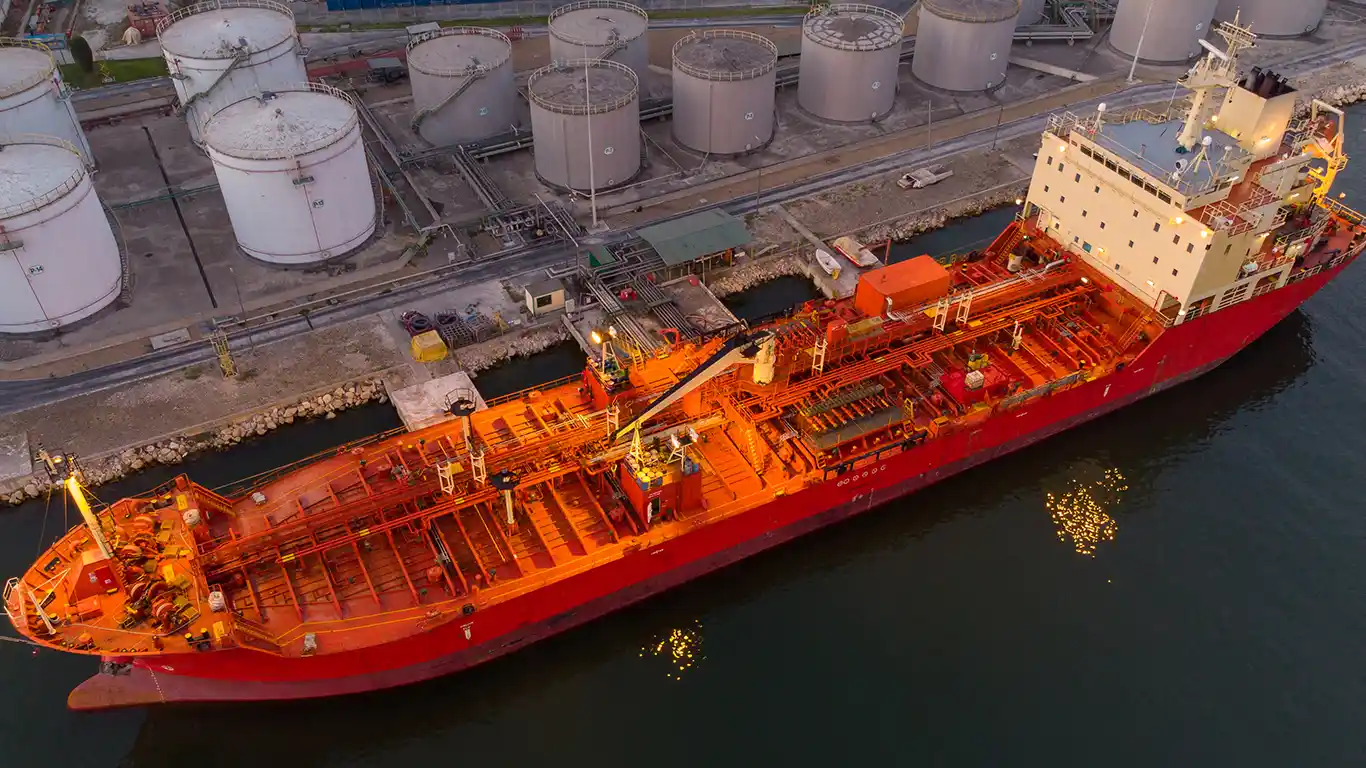
In recent years, due to increasing fuel demand and limited bunkering infrastructure at certain southern Iranian ports, Ship-to-Ship (STS) bunkering operations have become increasingly common at Persian Gulf anchorages such as Khark, Asaluyeh, Bandar Abbas, and Jask. Under this operational model, a bunker barge supplies marine fuel directly to an ocean‑going vessel. The safe coordination of such operations is essential to ensure uninterrupted fuel supply, prevent maritime incidents, and protect the marine environment. This article examines the technical and operational aspects of STS bunkering activities within Persian Gulf waters.
What Is Ship-to-Ship (STS) Bunkering and Why Is It Important?
Ship-to-Ship (STS) bunkering is a standard method of supplying fuel to vessels, particularly when the receiving vessel cannot approach a berth due to its size or operational limitations, or when prolonged waiting times for bunker supply at port terminals must be avoided. In this process, a bunker barge positions alongside the receiving vessel and transfers fuel through bunker hoses into the vessel’s storage tanks. Such operations may take place at designated anchorages, Outside Port Limits (OPL), or even in open waters.
STS bunkering offers several operational advantages, including reduced vessel idle time, lower berthing costs, and greater flexibility in voyage and fuel planning. However, due to the risks associated with fuel spills, fire hazards, and operational safety and environmental complexities, these operations must be conducted under strict supervision and in compliance with international maritime standards.
Operational Conditions and Regulations at Persian Gulf Anchorages
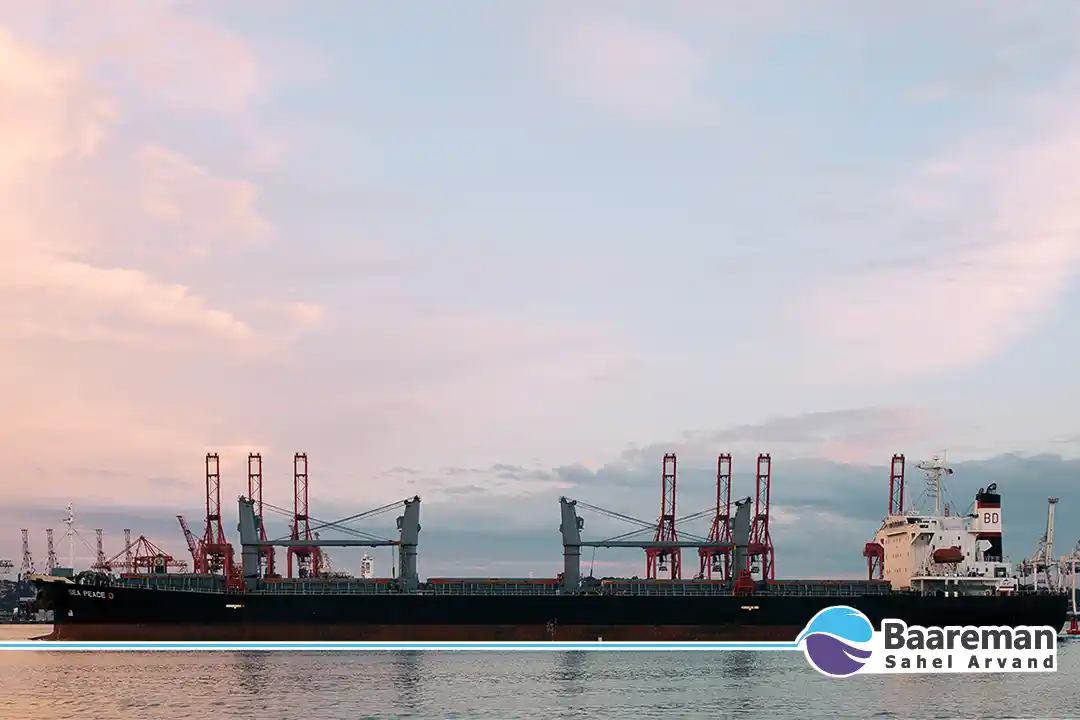
Anchorages in the Persian Gulf may involve specific operational limitations and environmental considerations. Bunker barges are required to comply with international obligations relating to fuel quality and environmental protection. For example, under Regulation 18.3 of MARPOL Annex VI, the fuel supplier is obligated to provide a Bunker Delivery Note (BDN) and Safety Data Sheets (SDS), while guaranteeing that the supplied fuel complies with declared specifications. In addition, retention of BDN records and fuel sampling documentation for extended periods, typically no less than three years, is mandatory.
In recent years, marine insurers and maritime organizations such as OCIMF and Skuld Marine Insurance have developed dedicated safety guidelines for STS operations, and many of these requirements are incorporated into standard bunkering safety checklists. These standards cover equipment inspections, emergency transfer procedures, and crew competency requirements.
Furthermore, operations conducted Outside Port Limits (OPL) generally require special authorization, as emergency response capabilities are more limited in offshore locations and exposure to adverse weather conditions significantly increases operational risk. Strong winds and currents in the Persian Gulf, for instance, may result in anchor dragging and vessel yawing. Accordingly, close coordination with port authorities and full compliance with national and international regulations are essential operational requirements.
Preliminary Planning Prior to Operations
Comprehensive planning is essential before any bunkering operation at anchorage. Initially, the anchorage location and operational schedule must be determined, and the necessary coordination carried out with the Ports and Maritime Organization and other relevant authorities. Key preparatory stages include the following:
Appointment of the Person-in-Charge (PIC)
Typically, the vessel’s Chief Engineer or another senior officer is designated as the Person‑in‑Charge (PIC) for bunkering operations. Together with the Master and engineering team, this individual is responsible for preparing the bunkering plan and supervising its execution.
Preparation of the Bunkering Plan
The bunkering plan includes details such as the requested fuel grade, required quantity, designated receiving tanks and filling sequence, pumping rates, and emergency procedures. Vessel stability conditions, including trim and list, as well as operational limitations such as maximum allowable wind speed, are also incorporated into the plan.
Conducting the Coordination Meeting
A pre‑operation meeting is held between the supervisory personnel of the bunker barge and the receiving vessel. During this meeting, operational risks are identified, responsibilities are assigned, and emergency communication procedures, including radio and sound signals, are established. Additional arrangements, such as standby support craft or tug assistance, are also coordinated where necessary.
Assessment of Weather and Water Depth Conditions
Forecast weather conditions, including wind, tides, and wave height, must be evaluated. It is essential to verify that the selected anchorage provides adequate water depth and suitable seabed holding conditions for anchoring. In shallow waters or areas with strong currents, operational risks increase significantly; therefore, a greater safety margin is generally applied during anchorage selection.
Obtaining Permits and Administrative Coordination
Bunkering operations within Iranian waters typically require formal authorization from port authorities. The vessel’s agent is responsible for securing all necessary approvals from the Ports and Maritime Organization and relevant authorities, including marine environmental protection agencies, prior to commencement of operations.
Technical Measures and Required Equipment
The technical safety of STS bunkering operations largely depends on proper equipment preparation. The following items must be inspected and made ready before commencement:
Radio Communications
Before operations begin, a secure VHF radio communication line must be established between responsible personnel onboard both vessels to ensure continuous coordination. In the event of communication failure, emergency signals such as audible alarms must immediately be activated and operations suspended.
Fenders and Mooring Arrangements
The vessels must be properly secured alongside one another. The use of standard pneumatic fenders between hulls is mandatory to prevent direct contact damage. Mooring winch wires and anchor chain locking systems must be fully operational and capable of withstanding high loads. Rope tails are commonly utilized to absorb shock loads and facilitate emergency release of mooring arrangements when required.
Bunker Hoses and Fuel Connections
Fuel transfer hoses must be certified for bunkering operations and of sufficient length to accommodate freeboard variations between vessels. Prior to connection, hoses are inspected for damage, excessive bending, or deterioration. Once connected to the manifolds, the master bunker valve remains closed until final operational clearance is issued.
Pollution Prevention Equipment
Oil spill kits, absorbent pads, oil socks, and spill containment equipment must be readily available and operationally prepared. All deck scuppers onboard both vessels must be securely plugged before commencement of operations. Electrical isolation and grounding arrangements must also be verified to prevent ignition risks from flammable vapors.
Measurement Instruments
Tank sounding equipment must be calibrated and ready for use. Prior to bunkering, crew members must record existing fuel quantities in each tank to allow accurate calculation of delivered volumes. Pressure gauges and fuel transfer monitoring sensors must also remain active throughout the operation.
Execution of the Bunkering Operation
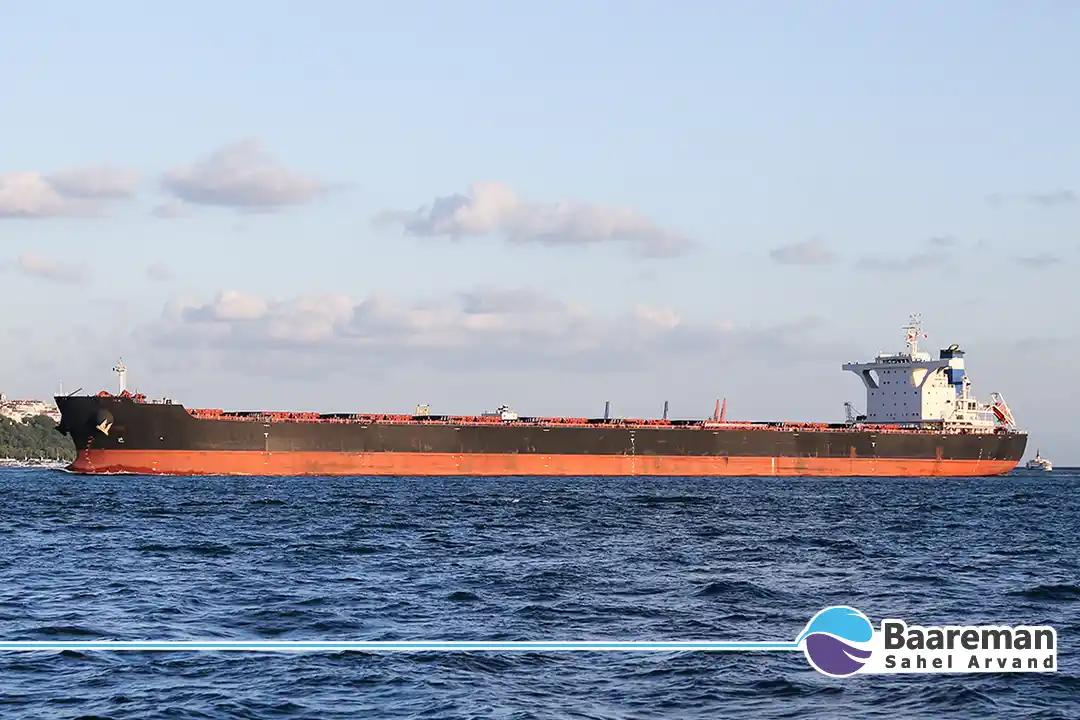
Following completion of all technical and safety preparations, the bunkering operation proceeds as follows:
Arrival and Berthing of the Bunker Barge
The bunker barge approaches the receiving vessel at controlled speed and, after establishing radio communication, the vessels are positioned alongside one another using fenders and mooring arrangements. Anchors are adjusted to ensure the receiving vessel maintains a stable heading relative to wave conditions.
Valve Opening and Emergency Shutdown Testing
After confirming safe mooring arrangements and anchor stability, the main bunker valves are prepared for operation. An emergency shutdown test is conducted to verify that both vessels can immediately stop fuel transfer if necessary. Supervisory personnel, typically including the Chief Engineers of both vessels, monitor pump control panels and pressure and leakage alarm systems.
Controlled Fuel Transfer Operations
Fuel transfer begins at a low pumping rate and, once the absence of leakage is confirmed, the transfer rate is gradually increased to the agreed operational level. Transferred fuel volume and vessel stability conditions are continuously monitored. During tank filling operations, tanks are normally filled to approximately 90 percent capacity at a constant rate, after which pumping speed is reduced for final topping‑off. Throughout this stage, receiving vessel crew members regularly monitor tank levels and report any abnormal fluctuations.
Continuous Monitoring and Safety Oversight
No simultaneous high‑risk operations, such as repair work, should be carried out onboard either vessel during bunkering. Pollution response and firefighting teams must remain on standby throughout the operation. Continuous radio communication is maintained, and in the event of any issue, including minor leakage or sudden weather deterioration, emergency shutdown procedures must immediately be initiated. Oil spill response equipment must remain readily accessible at all times.
Completion of Operations and Documentation
Once the required fuel quantity has been delivered, bunker hoses are drained and carefully disconnected from the manifolds. Fuel temperature measurements are taken, and final tank quantities are verified through sounding procedures. Finally, the Bunker Delivery Note (BDN), containing details of fuel quantity, grade, and supplier information, is signed by both the bunker supplier representative and the receiving vessel’s Master. Copies of the documentation are retained onboard and by port authorities.
Emergency Management and Pollution Prevention
Even with full compliance with operational standards, incidents may still occur. Therefore, a comprehensive emergency response plan must always be in place. In the event of fuel leakage or marine pollution, the following actions are implemented:
Suspension of Pumping Operations
Pumps are immediately stopped and bunker valves closed. Crew members must proceed to designated safe areas while the supervising officer initiates emergency shutdown procedures.
Containment of Pollution
Immediately after transfer shutdown, spilled oil is contained using absorbent materials and containment barriers. In the event of a major spill, dedicated marine response craft, containment booms, and specialized port equipment may be deployed to prevent further spread of the oil slick.
Reporting Procedures
The Ports and Maritime Organization and regional marine emergency response centers must be notified immediately. Under marine environmental regulations, any oil pollution incident must generally be reported within one hour to the relevant control center. The vessel’s safety officer or shipping representative is responsible for preparing and submitting the incident report to the appropriate authorities.
Technical and Regulatory Inspection
Following initial containment measures, the bunkering system and safety equipment must be inspected and, where necessary, repaired or corrected. Incident reports, probable causes, and corrective actions must be formally documented within the vessel’s maintenance and operational records.
Completion of Documentation and Final Reporting
Upon completion of the operation, several administrative reports and records must be prepared. The Bunker Delivery Note (BDN), detailing the quantity of fuel received, meter readings, and any observed discrepancies or leakages, must be completed and signed by the vessel’s Master. In addition, a final operational report summarizing the execution process, weather conditions, delivered fuel volume, and any operational issues must be prepared and archived within company records. These documents are essential not only for internal recordkeeping but also for regulatory compliance and safety audits.

The Role of the Ship Agent in Bunkering Operations
The ship agent at the destination port performs a critical managerial and coordination role. The agent’s primary responsibilities include:
- Obtaining anchorage and bunkering permits from port authorities prior to vessel arrival
- Coordinating the arrival of the bunker barge and arranging required local support services, including tug assistance where necessary
- Supervising the provision and delivery of support equipment such as fenders and pollution control equipment at the anchorage area
- Arranging accommodation and logistical support for specialized operational personnel, including technical teams
- Managing financial matters, issuing bunker documentation, and submitting final operational reports to shipowners and relevant authorities
Comprehensive and Safe STS Bunkering Services in the Persian Gulf
Executing Ship‑to‑Ship bunkering operations at Persian Gulf anchorages requires comprehensive planning, proper infrastructure, and strict adherence to international safety standards. Barman Sahel, through the implementation of international operational checklists and continuous coordination between the technical personnel of both vessels and port representatives, delivers these services in accordance with the highest maritime safety standards.